Commercial signage has always played an important role in how businesses communicate with customers. However, the role of signage has evolved significantly in recent years. Across the UK, businesses are moving beyond traditional signs and investing in modern solutions that combine design, technology, and customer experience.
Retail stores on busy high streets, hospitality venues, corporate offices, and shopping centres are all upgrading how they use signage. Businesses are no longer using signs only for branding or directions. Instead, signage has become a powerful marketing and communication tool that influences how customers interact with a brand.
This shift explains why commercial signage trends UK businesses are adopting in 2026 focus heavily on digital technology, sustainability, and interactive experiences. From digital signage UK displays to immersive video walls and custom architectural signage, organisations now view signage as a strategic business investment.
Understanding the signage trends 2026 UK businesses are following helps companies stay competitive and create environments that attract customers, communicate clearly, and reinforce brand identity. In this guide, we explore the key trends shaping the future of commercial signage and what smart businesses are doing to stay ahead.
Why Commercial Signage Is Evolving in 2026
Several factors are driving the rapid evolution of signage across the UK. These changes relate to technology, customer expectations, and sustainability goals.
First, technological innovation has dramatically changed what signage can do. Digital displays, LED technology, cloud-based content systems, and interactive screens allow businesses to update messages instantly. Instead of printing new signage for every promotion, companies can update digital content within minutes.
Second, customer behaviour has shifted. Today’s customers expect more engaging environments when they visit retail stores, offices, hotels, or entertainment venues. Static signage still has value, but businesses increasingly combine static and digital elements to create more dynamic spaces.
High streets across the UK provide a good example. Many retailers now use digital window displays to capture attention and promote offers to passers-by. These displays help businesses stand out in busy shopping districts.
Sustainability also plays a major role. Many UK organisations now prioritise environmentally responsible solutions, including recyclable materials, LED lighting, and longer-lasting signage structures.
Because of these changes, businesses increasingly invest in modern business signage solutions that support marketing campaigns, improve customer navigation, and strengthen brand identity.
Key Commercial Signage Trends in the UK for 2026
The Rise of Digital Signage in the UK
One of the most significant commercial signage trends UK businesses are adopting is the widespread use of digital displays.
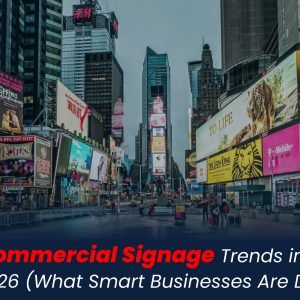
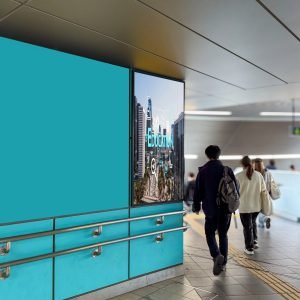
Digital signage UK systems allow businesses to deliver dynamic content through screens placed in storefronts, lobbies, shopping centres, and transport hubs. Unlike traditional signage, digital displays allow companies to change content quickly and display multiple messages throughout the day.
Retailers often use digital signage to promote special offers, highlight product launches, and guide customers inside stores. Corporate offices also use digital displays to communicate internal announcements and welcome visitors.
Restaurants and hospitality venues rely on digital menu boards that can update instantly when menu items change or new promotions become available.
The flexibility of digital signage makes it one of the most powerful business signage solutions available today.
Business benefits include:
- Ability to update content instantly
- Reduced printing and replacement costs
- Greater visual impact compared with static signage
- Improved customer engagement
Digital signage also allows businesses to schedule different messages at different times of the day. For example, restaurants can promote breakfast items in the morning and dinner promotions in the evening without changing physical signs.
Sustainability in Signage Design
Environmental responsibility now influences many purchasing decisions in the UK. Businesses increasingly prefer signage solutions that support sustainability goals.
Sustainable signage typically includes LED lighting, recyclable materials, energy-efficient systems, and durable structures designed for long-term use.
LED lighting has become particularly important. Compared with older lighting systems, LEDs consume significantly less energy and last much longer. This reduces both electricity costs and maintenance requirements.
Many UK retailers, hospitality brands, and corporate organisations now include sustainability requirements when planning signage upgrades.
This approach supports corporate environmental policies while also improving brand reputation among environmentally conscious customers.
Business benefits include:
- Lower electricity consumption
- Reduced waste through durable materials
- Positive brand perception
- Compliance with sustainability initiatives
Sustainable signage also aligns with the broader environmental goals that many UK companies have adopted.
Artificial Intelligence Integration
Artificial intelligence has begun influencing signage trends that UK businesses are exploring in 2026. AI-powered signage systems can analyse audience behaviour and adjust displayed content automatically.
Some advanced digital signage systems measure customer engagement by analysing foot traffic, viewing time, and interaction patterns. This data allows businesses to optimise the content displayed on screens.
Retailers can use this information to identify which promotions attract the most attention and adjust their messaging accordingly.
AI also helps businesses schedule content automatically based on peak hours or audience demographics.
For example, digital signage in a shopping centre may display different promotions during weekday mornings compared with weekend evenings.
Business benefits include:
- Data-driven marketing decisions
- More effective promotional campaigns
- Better understanding of customer behaviour
- Improved return on signage investment
Although AI-powered signage is still emerging, it represents an important step in the evolution of business signage solutions.
Interactive Signage
Interactive displays continue to grow in popularity across retail stores, corporate environments, and visitor attractions.
Interactive signage allows customers to engage directly with information using touchscreens or mobile integration.
Retail stores often install touchscreen displays that allow customers to browse product catalogues, search for items in stock, or explore product details.
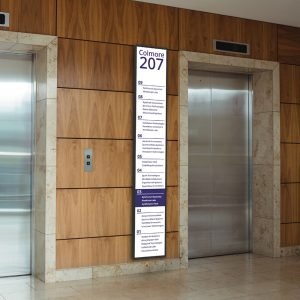
Hotels, airports, and shopping centres also use interactive signage for wayfinding systems that help visitors navigate large buildings.
These systems improve customer experience while also providing useful data about user interactions.
Business benefits include:
- Increased engagement with customers
- Improved navigation in complex environments
- Longer interaction times with brand content
- Valuable customer behaviour insights
Interactive signage works particularly well in environments where customers need information quickly and easily.
Large-Scale Video Walls
Large video walls are becoming increasingly common in high-traffic environments.
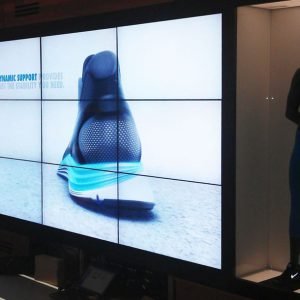
These installations combine multiple screens to create a large display capable of showing high-quality video content. Video walls are often installed in shopping centres, stadiums, corporate headquarters, and event venues.
Because of their scale and brightness, video walls capture attention immediately. Businesses often use them for brand storytelling, advertising campaigns, and live content displays.
Retail brands sometimes install video walls inside flagship stores to create immersive visual experiences that reinforce brand identity.
Business benefits include:
- Exceptional visual impact
- Increased brand visibility
- Ability to display dynamic content
- Effective communication in busy environments
Video walls also allow businesses to display multiple types of content, including live feeds, promotional videos, and branded visuals.
Augmented Reality Signage
Augmented reality represents one of the more innovative commercial signage trends UK businesses are beginning to explore.
AR signage overlays digital content onto real environments using smartphones or interactive screens. This technology allows customers to interact with products and experiences in new ways.
Retailers can use AR displays to help customers visualise products before purchasing them. For example, furniture retailers may allow customers to see how a sofa might look in their living room.
Museums and visitor attractions also use AR signage to provide additional information and create engaging experiences for visitors.
Business benefits include:
- Highly memorable customer experiences
- Strong differentiation from competitors
- Improved product visualisation
- Increased engagement
Although AR signage remains relatively new, its potential for interactive marketing continues to grow.
Customised Signage for Brand Environments
Businesses increasingly prioritise customised signage solutions that reflect their brand identity.
Instead of using generic signage, organisations now invest in bespoke designs that align with architecture, interior design, and brand guidelines.
Custom signage may include illuminated letters, architectural signage, wall graphics, or branded digital displays.
Corporate offices often use custom signage in reception areas to reinforce brand identity when visitors arrive.
Hospitality venues also rely on customised signage to create distinctive environments that reflect their brand personality.
Business benefits include:
- Stronger brand recognition
- More memorable customer experiences
- Cohesive interior environments
- Increased brand consistency
Custom signage allows businesses to communicate their brand visually across every physical location.
Real-World Example
Across the UK, many high street retailers have introduced digital storefront displays to attract customers.
Instead of using printed posters that must be replaced frequently, retailers install digital screens that rotate multiple promotions throughout the day.
During major seasonal campaigns such as Christmas, summer sales, or Black Friday, these displays allow businesses to highlight different products and promotions quickly.
Retailers report that dynamic digital window displays often attract more attention than static posters, increasing store visits and customer engagement.
This real-world example demonstrates how digital signage improves marketing flexibility and customer interaction.
How Businesses Should Approach Signage Strategy in 2026
Businesses planning signage upgrades should approach the process strategically.
First, organisations should consider how signage supports their overall brand identity. Colours, typography, lighting, and placement must align with brand guidelines.
Second, companies should identify the areas where signage will have the greatest impact. Entrances, storefronts, reception areas, and high-traffic corridors typically provide the best visibility.
Third, businesses should consider combining static signage with digital elements. Static signage provides long-term brand visibility, while digital signage adds flexibility and real-time communication.
Finally, companies should work with experienced signage partners who offer design, production, installation, and project management services.
A full-service signage partner ensures installations meet safety requirements, branding standards, and operational goals. Businesses that take a strategic approach to signage often see stronger brand visibility and improved customer experiences.
The Future of Commercial Signage in the UK
The commercial signage trends UK businesses are adopting in 2026 clearly show that signage has become more than a simple branding tool.
From digital signage UK systems to interactive displays and sustainable materials, modern signage solutions help businesses communicate effectively and create engaging environments.
Retail stores, hospitality venues, corporate offices, and public spaces all benefit from modern business signage solutions that improve visibility, strengthen branding, and enhance customer experiences.
Companies that invest in modern signage technologies often gain a competitive advantage in crowded markets.
If your business plans to upgrade signage or explore digital signage opportunities, working with an experienced partner is essential.
SignWorld Group provides end-to-end signage services, including design, production, installation, and project management.
Our team helps businesses develop signage strategies that support branding, improve customer experiences, and deliver long-term value.
Contact the SignWorld Group team today to request a consultation and explore how modern signage solutions can support your business.
FAQs About Commercial Signage Trends
What are the main commercial signage trends in the UK for 2026?
Key trends include digital signage, interactive displays, sustainability-focused materials, AI-powered marketing displays, video walls, augmented reality experiences, and customised signage solutions.
How much does commercial signage cost in the UK?
Costs vary depending on size, materials, lighting, and installation complexity. Small interior signs may cost a few hundred pounds, while large digital displays or video walls may require a larger investment.
What type of signage works best for retail businesses?
Retail businesses benefit from illuminated storefront signage, digital displays, window graphics, and interactive screens that promote products and attract customers.
Is digital signage worth the investment?
Yes. Digital signage allows businesses to update content instantly, reduce printing costs, and deliver more engaging marketing messages.
How long does signage installation take?
Installation timelines depend on project complexity. Smaller projects may take several days, while large installations may take several weeks.
How do businesses choose the right signage solution?
Businesses should consider their brand identity, location, audience, and marketing goals. Working with an experienced signage provider helps ensure the right design and installation.